Categories
Common Buyer Questions, Common Seller Questions, First Time Home Buyers, Highlands County Real Estate News, Highlands County Updates, Home Buying and Selling Tactical Information, Home Buying Tips, Home Seller tips, Home Selling TipsPublished January 21, 2026
🌊 Flood Zones Without the Panic: How to Read the Map the Right Way

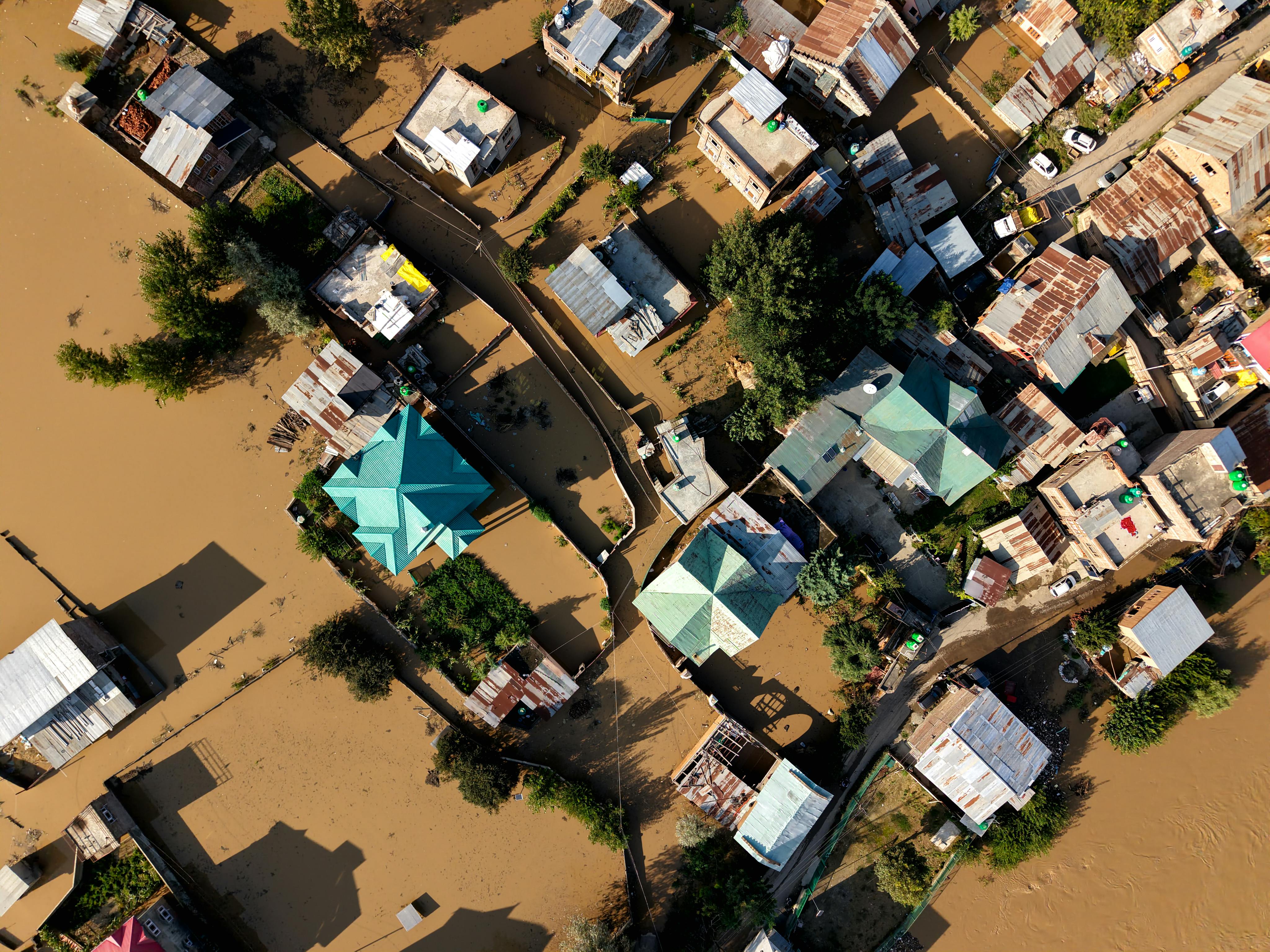
🌊 Flood Zones Without the Panic: How to Read the Map the Right Way
Seeing a flood zone label can instantly raise alarm for homebuyers—but flood maps aren’t nearly as scary as they sound. When read correctly, they’re simply risk assessment tools, not deal breakers.
Here’s how to understand flood zones without panic—and make informed decisions instead.
🗺️ What Flood Maps Actually Show
Flood maps estimate the likelihood of flooding based on historical data, elevation, rainfall, and drainage—not certainty.
Key Terms Explained:
- 100-year flood zone: 1% chance of flooding each year
- 500-year flood zone: 0.2% annual chance
- AE, A, X zones: Different risk levels—not predictions
A home in a flood zone does not mean it will flood.
🏠 Flood Zone ≠ Flood Insurance Requirement
One of the biggest misconceptions is that flood zones always mean required insurance.
What Actually Triggers Flood Insurance:
- Mortgage lender requirements
- Specific FEMA zone designations
- Federal loan programs
Many homes in moderate-risk areas qualify for optional or low-cost policies.
💵 What Flood Insurance Really Costs
Flood insurance pricing depends on:
- Elevation certificate
- Home height above base flood elevation
- Construction type
- Zone classification
Some homeowners pay under $1,000 per year—even near water.
⚠️ Common Flood Map Mistakes Buyers Make
Misunderstanding flood maps can cost buyers unnecessarily.
Watch Out For:
- Assuming proximity to water equals high risk
- Ignoring elevation differences
- Relying solely on online map visuals
- Overlooking map updates or revisions
Two homes next door can have different flood zones.
🔍 How to Read Flood Maps the Right Way
Smart buyers go deeper than the label.
Best Practices:
- Request an elevation certificate
- Confirm exact flood zone letter
- Verify insurance requirements early
- Consult a local expert familiar with drainage patterns
Context matters more than color shading.
🧠 Flood Zones Can Create Opportunity
Flood zone fear often leads to:
- Less buyer competition
- Better pricing
- Strong resale potential
Educated buyers often find value where others hesitate.
🏁 Final Thoughts
Flood zones aren’t a warning sign—they’re information. When understood properly, they help buyers evaluate risk accurately instead of emotionally.
Knowledge replaces panic every time.
📩 Thinking about a property in or near a flood zone and want help reading the map correctly?
I can help you break down real risk, insurance costs, and resale implications—before you commit.

Matt Nelson
Broker/Team Leader | Keller Williams Highlands County
or another way